How the Reopening of the Strait of Hormuz Is Affecting Oil Prices and Market Confidence


The reopening of the Strait of Hormuz has started to cool global oil prices, but calling it a full recovery would be too early. Just weeks ago, crude oil prices surged close to $119 per barrel as supply routes were disrupted. The reason was simple: this narrow waterway handles nearly one-fifth of the world’s oil supply. When it stopped, the entire market reacted instantly. Now that shipments are resuming, prices are easing. But markets are not just about supply; they are about confidence, and that takes longer to rebuild.
Why the Strait of Hormuz Matters More Than It Looks
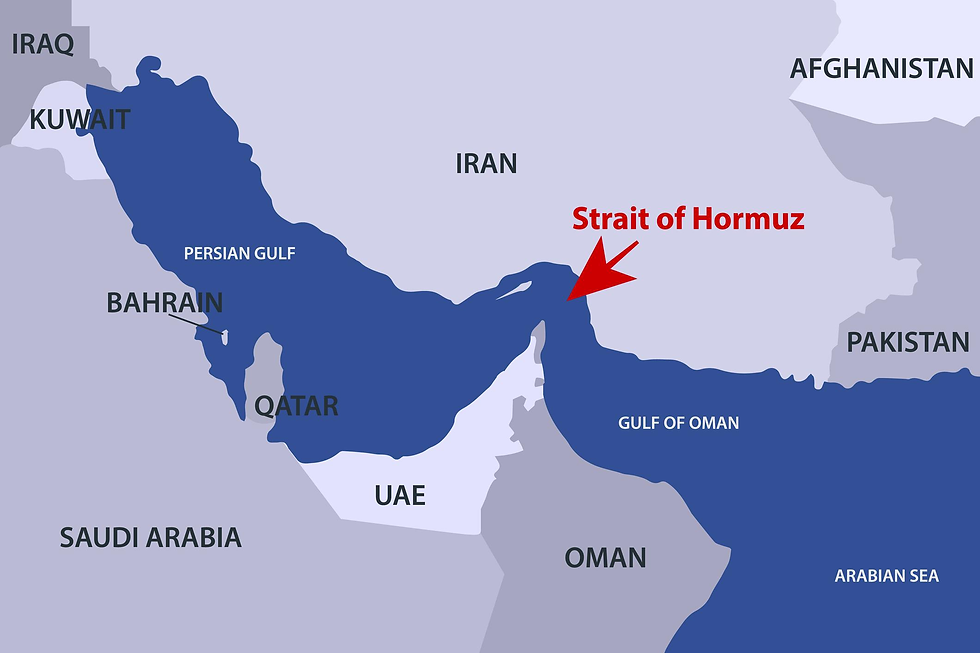
The Strait of Hormuz is not just another shipping route on the map. It is the main exit point for oil coming out of the Persian Gulf. At its narrowest, it is only about 21 miles wide, yet around 20 million barrels of oil pass through it every day. Countries like Saudi Arabia, UAE, Iraq, and Kuwait depend on it to export energy, while India, China, and Japan depend on it to keep their economies running.
That is why even a short disruption creates a global ripple effect.
What Actually Changed After Reopening the Strait of Hormuz
The biggest shift is simple: oil is moving again. But the impact spreads across multiple layers. Oil prices have started correcting because the supply bottleneck is easing. The “fear premium” that traders added during the disruption is slowly coming down.
At the same time, shipping is becoming cheaper. During the crisis, tanker insurance costs had surged due to risk. Now those costs are gradually normalizing, which further reduces overall oil expenses. Fuel markets are also stabilizing. Petrol, diesel, and jet fuel prices don’t drop instantly, but the pressure on them reduces once crude supply improves.
Markets Care About Confidence, Not Just Supply

This is where most people misunderstand the situation. Even though the strait has reopened, markets are still cautious. Investors had shifted into defensive positions during the disruption. Now they are slowly moving back, but not aggressively. Oil futures remain sensitive, and volatility has not completely disappeared.
Central banks are also watching closely. Lower oil prices can ease inflation, but they need stability over time, not just a short-term drop. So yes, confidence is improving, but it is not fully back yet. This level of volatility didn’t come out of nowhere. It was building for days as tensions escalated between Iran and the US. Here’s a closer look at what actually triggered it.
What This Means for India
For India, this situation matters more than most people realize. India imports nearly 80% of its oil, much of it coming through this route. So, when disruption happens, costs rise quickly. And when supply stabilizes, there is relief, but it comes slowly.
Lower crude prices can reduce inflation pressure and eventually impact fuel prices. But petrol and diesel prices in India do not fall immediately because they also depend on taxes, currency exchange, and government policies. Still, a stable Strait of Hormuz is always good news for the Indian economy.
Why Oil Prices May Not Drop Fully Yet
Here is the reality: reopening does not mean everything is back to normal.
There are still concerns in the system:
Some infrastructure may have been damaged
Security risks are not completely gone
Insurance companies remain cautious
Traders are still pricing in uncertainty
Because of this, markets often keep a small “risk premium” even after supply resumes.
So, prices may fall, but not sharply or instantly.
Can Other Routes Replace Hormuz
There are alternative pipelines, like Saudi Arabia’s east-west route or the UAE’s Fujairah pipeline.
But they cannot handle the same volume.
The Strait of Hormuz is still the backbone of global oil transport. There is no real replacement for it right now.
Before vs After: What Changed
Factor | During Disruption | After Reopening |
Oil Prices | Sharp Spike | Gradual Decline |
Supply | Restricted | Resuming |
Shipping Costs | Very High | Normalizing |
Market Mood | Panic | Cautious Recovery |
The Bigger Picture
The reopening of the Strait of Hormuz has definitely reduced pressure on global oil markets. It has brought prices down and improved sentiment. But stability in this region has always been fragile. Markets are calmer now, not confident. And that difference matters.
If tanker movement continues safely, prices may stabilize further. But if disruptions return, the same cycle of panic and price spikes can repeat quickly. This is not just about oil moving again. It is about whether markets can trust that it will keep moving without interruption. Until that trust is fully restored, prices may cool, but uncertainty will remain.
For more insights on global trends, markets, and technology, explore the latest stories on The ScreenLight.


